
When planning a kitchen or bathroom upgrade, one of the most common questions homeowners face is: should I choose 2cm vs 3cm quartz countertops? While both options are durable and stylish, understanding their differences is essential for making the right design and budget decisions. The thickness of your quartz surface influences not only appearance but also functionality, installation requirements, and overall project cost.
Understanding Quartz Countertop Composition
Quartz countertops are engineered from natural quartz crystals combined with resins and pigments. This blend creates a nonporous, durable surface that resists stains, scratches, and bacteria. The result is a material that mimics the beauty of stone while offering modern consistency and low maintenance. Thickness—either 2cm (¾ inch) or 3cm (1¼ inch)—refers to the depth of the slab used for fabrication and installation.
While both thicknesses perform exceptionally well, subtle design and structural factors determine which is best for your space.
The 2cm Quartz Advantage
The 2cm option offers a sleek, contemporary profile that suits minimalist designs. Its thinner silhouette creates a light, refined look perfect for modern and European-style kitchens. Because it’s lighter, 2cm quartz requires less structural support, making it ideal for vertical surfaces such as backsplashes, shower surrounds, and wall cladding.
Additionally, 2cm slabs are typically more cost-effective, allowing homeowners to invest savings into other design elements like upgraded fixtures or cabinetry.
The Strength of 3cm Quartz
Thicker 3cm quartz slabs offer a more substantial, luxurious appearance. They provide added rigidity and strength, allowing installation directly onto standard cabinetry without plywood reinforcement. This reduces the number of visible seams and enhances long-term durability in high-traffic areas like kitchen islands or bathroom vanities.
The extra depth also creates bold visual presence, often preferred in traditional or transitional home styles where weight and substance convey luxury.
Comparing Aesthetics: Lightness vs. Presence
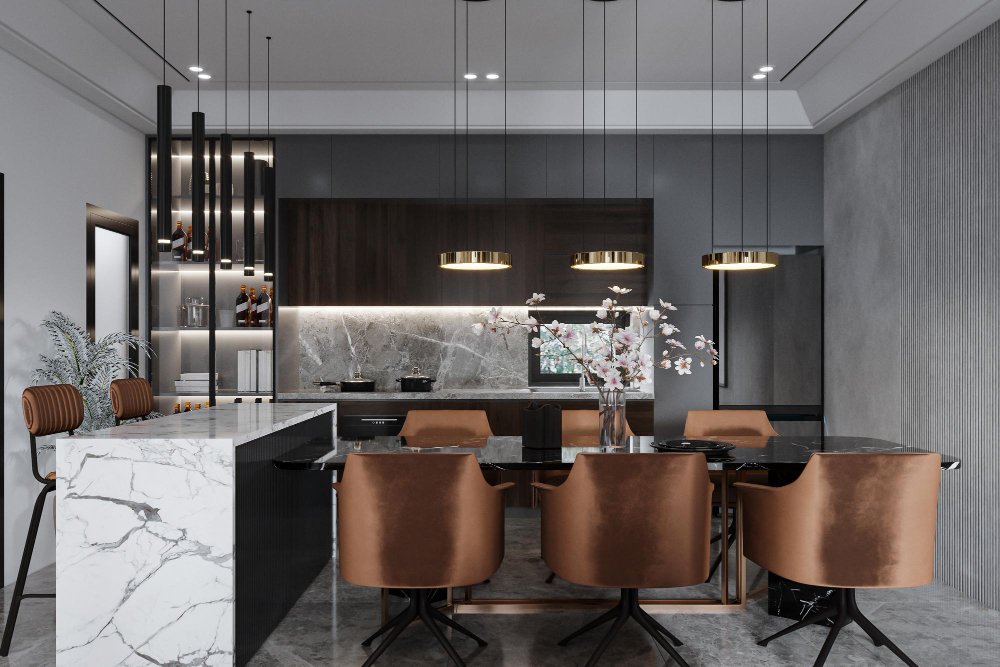
From a design perspective, 2cm and 3cm quartz cater to different aesthetics. The slimmer 2cm profile emphasizes clean lines and minimalism, complementing modern architecture and open spaces. In contrast, the thicker 3cm option projects grandeur and permanence—perfect for statement kitchens with waterfall islands or rich cabinetry.
Choosing between the two depends on whether your vision leans toward subtle sophistication or dramatic impact.
Installation Considerations
Installation requirements differ between the two thicknesses. A 2cm countertop often requires a plywood sub-base for extra support, especially over wider spans or cantilevers. 3cm quartz, being thicker and more rigid, typically installs directly onto cabinetry without reinforcement. This not only saves installation time but also creates a cleaner, more seamless finish.
Professional fabricators assess structural needs and ensure both strength and aesthetic precision in every cut and joint.
Durability and Performance
Both thicknesses perform exceptionally under daily use. Since the core material is the same, durability doesn’t change significantly with thickness—though 3cm quartz is less prone to breakage during transport and installation due to its added mass. Once installed, both surfaces resist wear, heat, and impact, offering decades of reliable performance with minimal maintenance.
In essence, the difference is more visual and practical than structural for most residential applications.
Cost and Value
Pricing differences between 2cm and 3cm quartz largely depend on fabrication and labor. Thicker slabs use more material and are heavier to handle, increasing installation costs slightly. However, 3cm’s added durability and visual weight can enhance property value, especially in high-end remodels. For budget-conscious projects, 2cm quartz delivers the same luxury look and performance at a lower price point.
The right choice balances design intent, usage, and budget expectations.
Edge Profiles and Customization
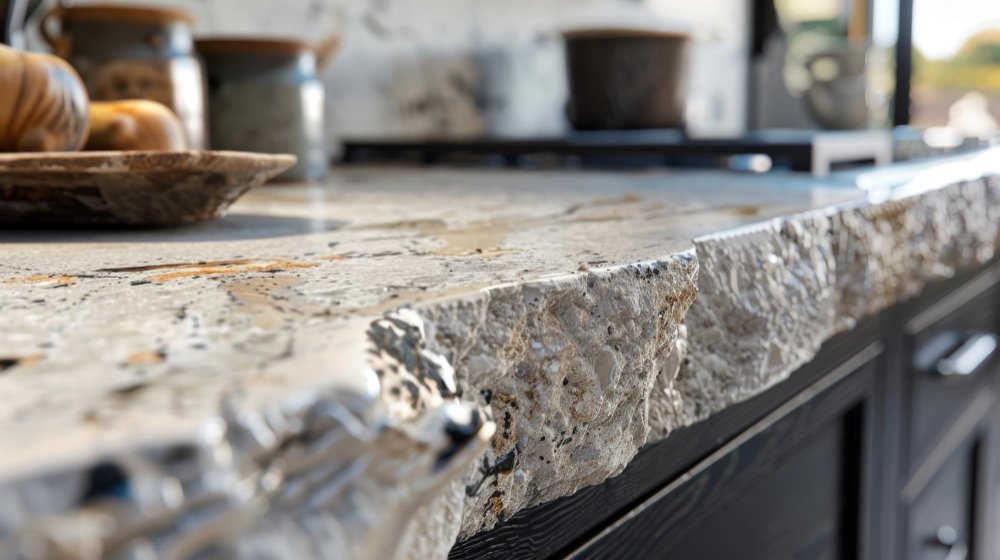
Thickness directly affects edge detailing. 2cm quartz accommodates slimmer, refined edges like pencil or eased profiles, which accentuate modern aesthetics. 3cm quartz allows for more elaborate options such as ogee, beveled, or bullnose edges that emphasize luxury. Edge style contributes significantly to the countertop’s overall personality and design cohesion.
Whether subtle or ornate, professional fabrication ensures crisp lines and seamless transitions between surfaces.
Maintenance and Longevity
Both 2cm and 3cm quartz countertops share the same low-maintenance benefits. Being nonporous, they resist moisture, staining, and bacterial growth. Simple cleaning with mild soap and water keeps them looking pristine. Because the material itself is durable, the choice of thickness does not affect lifespan—both can easily last decades with proper care.
Longevity comes down to fabrication quality and professional installation rather than slab thickness alone.
Design Trends and Applications
Current design trends in Sacramento remodels showcase both thicknesses used strategically within the same home. Designers may use 3cm quartz for kitchen islands to emphasize luxury while incorporating 2cm for bathroom vanities or wall cladding to create variation and lightness. This approach balances cost efficiency with high-end aesthetics.
The ability to mix thicknesses allows homeowners to express creativity while maintaining visual harmony throughout their spaces.
Professional Guidance and Showroom Experience
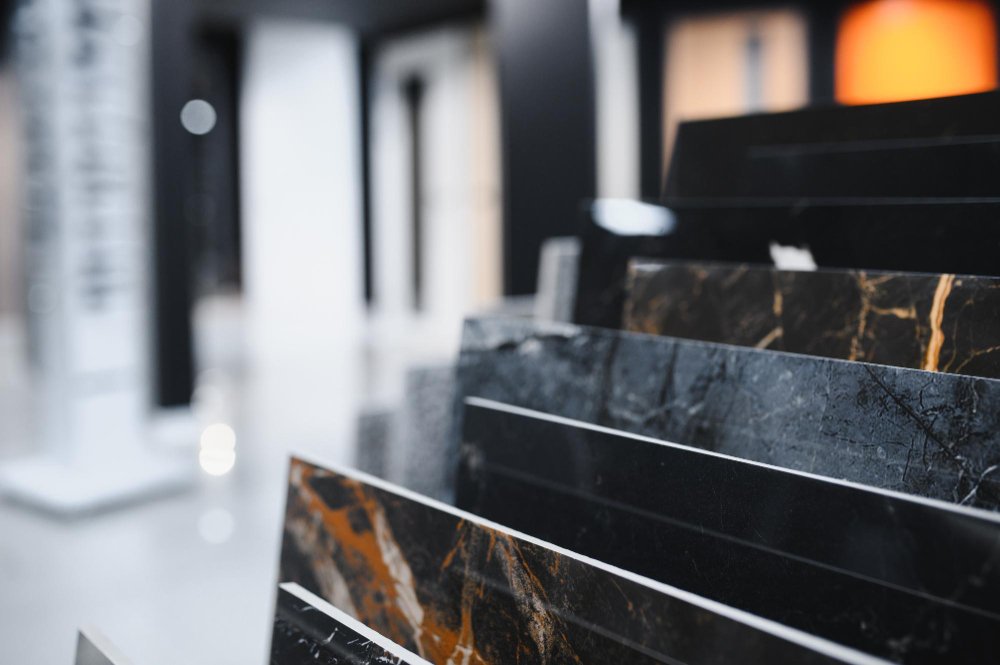
Choosing the right quartz thickness is easier with expert input. Visiting a Sacramento home improvement showroom allows homeowners to see full slabs, compare edge profiles, and visualize how each thickness complements cabinetry and flooring. Professional remodelers guide clients through design decisions, ensuring every detail aligns with both vision and budget.
Seeing materials in person often turns uncertainty into confidence and inspiration.
Finding Balance Between Form and Function
Ultimately, the choice between 2cm vs 3cm quartz countertops depends on your design style, practical needs, and financial goals. Both options offer durability, beauty, and long-lasting value. The key is finding the right balance between aesthetic preference and functional performance—transforming countertops from simple surfaces into defining features of your home’s design.
Whether sleek and minimal or bold and substantial, quartz delivers elegance that lasts for decades to come.