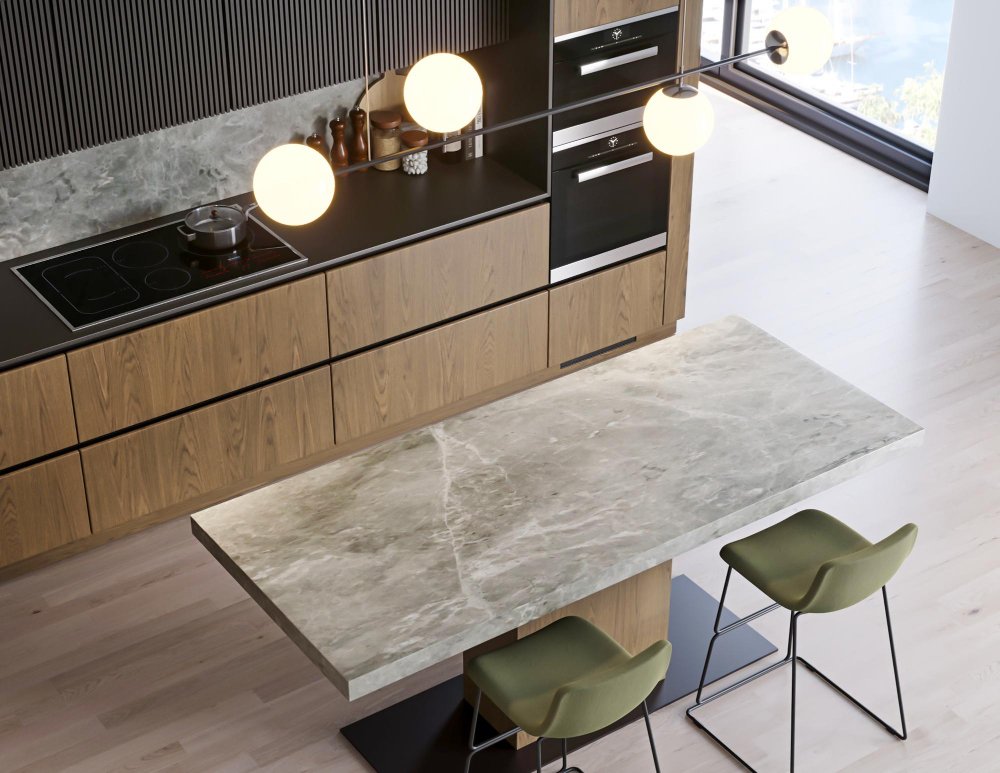

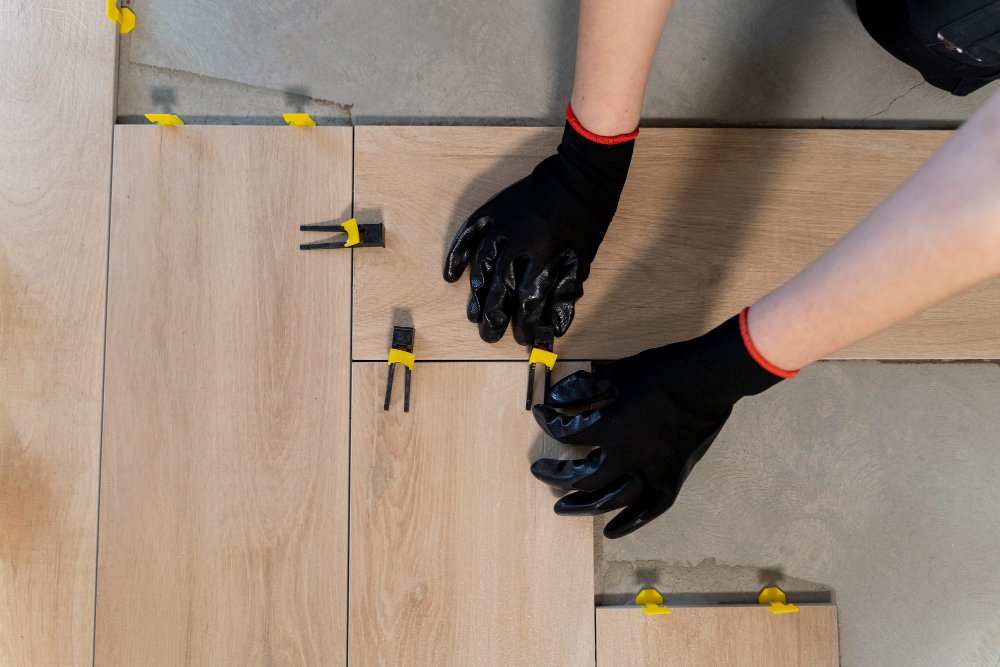
A flooring remodel is one of the most transformative ways to update your home’s aesthetic, comfort, and value. Floors are more than functional—they set the tone for every design decision and define how a space feels underfoot. Whether you’re replacing worn-out carpet, upgrading to hardwood, or experimenting with modern vinyl, refreshing your flooring can completely renew the character of your home.
Why Flooring Deserves Top Priority
Homeowners often underestimate the impact flooring has on the overall atmosphere of a room. Unlike paint or décor, flooring affects how sound travels, how light reflects, and how people move through spaces. A thoughtful flooring remodel doesn’t just improve appearance—it enhances comfort, function, and energy efficiency. Choosing the right materials also supports durability, helping your home withstand everyday life with style.
Simply put, a flooring remodel lays the groundwork for a more beautiful and livable home.
Step 1: Assess Your Space and Lifestyle
Before selecting materials, evaluate how each room is used. High-traffic areas such as entryways, kitchens, and living rooms require durable, low-maintenance options like luxury vinyl, tile, or engineered hardwood. Bedrooms or offices might benefit from the warmth and comfort of carpet or cork. Understanding your daily routines helps determine the best flooring type for every space.
Tailoring materials to lifestyle ensures long-lasting performance and comfort.
Step 2: Choose Materials That Match Your Vision
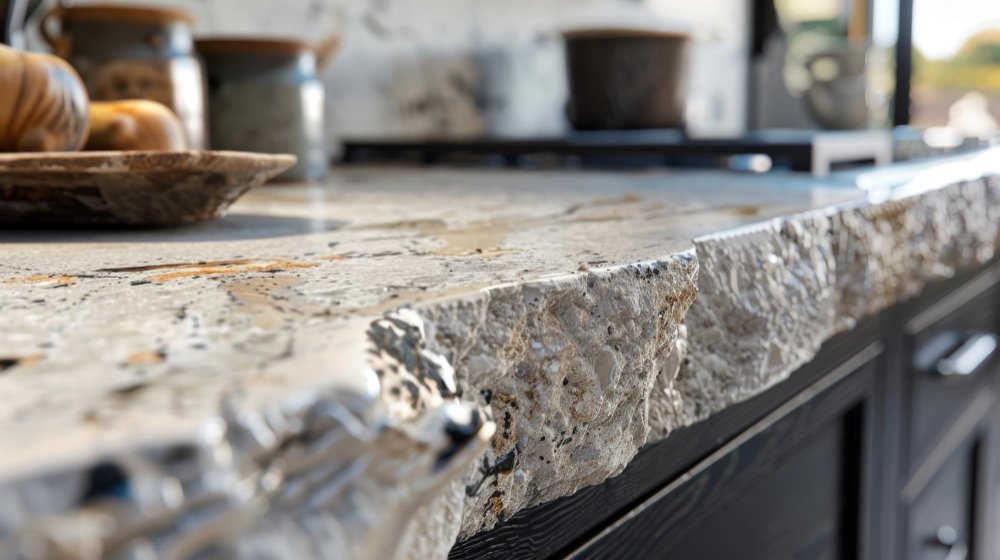
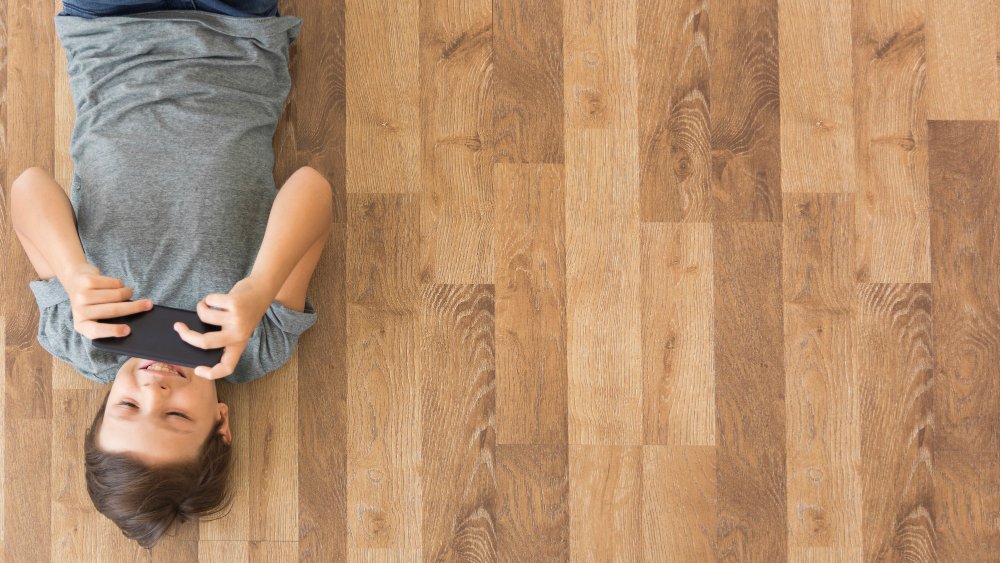
Today’s flooring options offer endless design flexibility. Hardwood delivers timeless appeal, while laminate and luxury vinyl planks replicate the look of natural materials with added resilience. Tile brings cool sophistication and easy maintenance—ideal for bathrooms and kitchens. Stone adds organic texture and durability. Each choice brings distinct advantages, so consider both appearance and practicality when making your selection.
The right flooring complements your design vision and daily living needs in equal measure.
Step 3: Set a Budget With Long-Term Value
Budgeting for a flooring remodel involves balancing cost with performance. While some materials have higher upfront expenses, their longevity often offsets the investment. For example, engineered hardwood or porcelain tile may outlast cheaper options by decades. Professional remodelers help homeowners compare pricing, warranties, and maintenance requirements to ensure maximum value over time.
Think of flooring as an investment—not just an expense.
Step 4: Focus on Design Continuity
Consistency across flooring types helps unify your home’s design. Open layouts benefit from continuous materials that visually connect rooms, while transitions between textures (like tile to hardwood) can define functional zones. Coordinating colors, finishes, and patterns ensures harmony between flooring, walls, and furnishings. Thoughtful design continuity makes the entire home feel cohesive and intentionally curated.
Good flooring design doesn’t compete with décor—it enhances it.
Step 5: Consider Comfort and Acoustics
Flooring influences how your home feels and sounds. Soft materials like cork or carpet absorb noise, while hard surfaces such as tile or stone reflect sound. Underlayments can add insulation, cushioning, and soundproofing to any floor type. Radiant heating systems beneath tile or engineered wood increase comfort during Sacramento’s cooler months, making every step a pleasure.
Comfort is key to turning visual appeal into real everyday satisfaction.
Step 6: Prioritize Durability and Maintenance
Flooring is a long-term feature that faces daily wear. Choosing durable materials ensures your remodel stands the test of time. Water-resistant vinyl planks, moisture-proof tiles, and scratch-resistant laminates are excellent for active households. Sealed hardwoods also provide longevity with proper upkeep. Low-maintenance surfaces keep your home looking fresh without frequent refinishing or repairs.
Durable flooring delivers confidence and peace of mind through years of use.
Step 7: Work With Professional Installers
Even the best materials fall short without expert installation. Professional installers handle surface preparation, moisture testing, and leveling to prevent future issues like warping or cracking. Their precision ensures proper alignment and secure seams for a flawless finish. Partnering with skilled remodelers guarantees a result that’s both structurally sound and visually stunning.
Quality craftsmanship elevates flooring from a purchase to a long-term design investment.
Step 8: Explore Eco-Friendly Options
Sustainability is increasingly important in modern remodeling. Many homeowners choose renewable or recycled materials such as bamboo, cork, or reclaimed wood. Low-VOC adhesives and finishes promote healthier indoor air quality. Manufacturers are also offering water-based stains and energy-efficient production methods that reduce environmental impact without compromising beauty or performance.
Eco-conscious flooring choices allow you to design responsibly while maintaining luxury and comfort.
Step 9: Visit a Local Showroom for Inspiration
Seeing flooring in person helps narrow choices and visualize the finished look. Visiting a Sacramento home improvement showroom gives you access to expert advice, material samples, and full-size displays. You can test textures, colors, and finishes under realistic lighting—ensuring your final selection aligns perfectly with your home’s architecture and décor.
Inspiration often strikes when you step onto the right surface.
Step 10: Enjoy Your New Foundation
A completed flooring remodel transforms the way your home feels from the moment you walk in. With updated materials, refined textures, and improved functionality, your floors become both durable and beautiful. They anchor your design, support your routines, and express your personal style in every step.
From classic hardwood to modern waterproof options, the right flooring remodel refreshes your home from the ground up—one perfect surface at a time.