
In the world of modern home design and real estate, the term what does ADU stand for in housing has become a key topic for homeowners, architects, and investors alike. ADU stands for “Accessory Dwelling Unit”—a small, secondary housing unit built on the same property as a main residence. These structures combine smart design, sustainability, and flexibility to meet the needs of today’s evolving lifestyles and housing demands.
Breaking Down the Definition
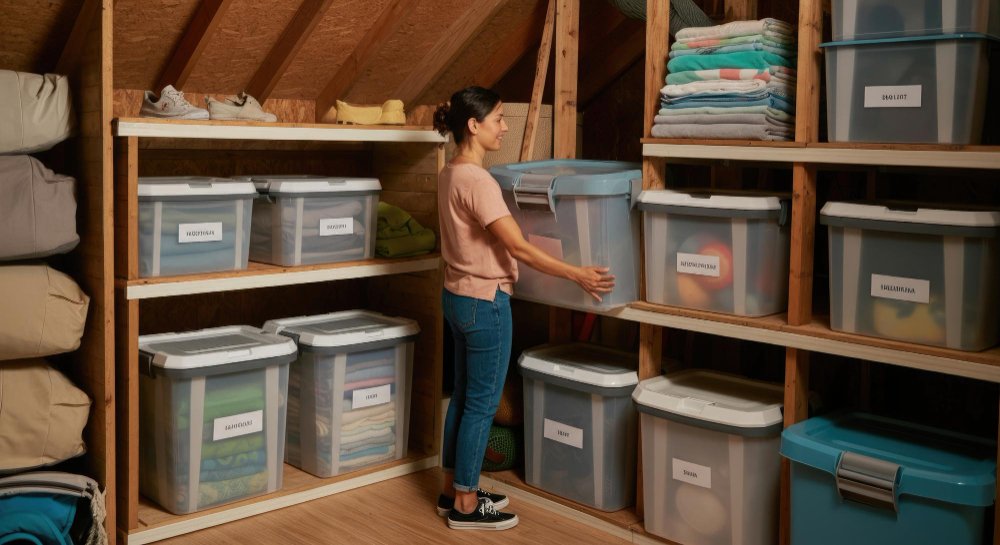
An Accessory Dwelling Unit is an independent living space complete with a kitchen, bathroom, and sleeping area. Unlike traditional home additions, ADUs are self-contained, offering privacy and functionality within a smaller footprint. They can be detached, attached to the main home, or converted from existing structures such as garages, basements, or attics.
In essence, an ADU is a home within a home—designed for independence, efficiency, and modern living.
The Rise of ADUs in Sacramento and Beyond
Across California, ADUs have become one of the most significant housing trends in decades. Sacramento, in particular, has embraced them as a practical response to urban growth and housing shortages. Updated zoning laws and streamlined permitting have made it easier than ever for homeowners to build ADUs legally and affordably. These compact dwellings offer a creative way to expand living space without sacrificing yard or neighborhood character.
ADUs represent the perfect balance between personal freedom and community growth.
Types of ADUs
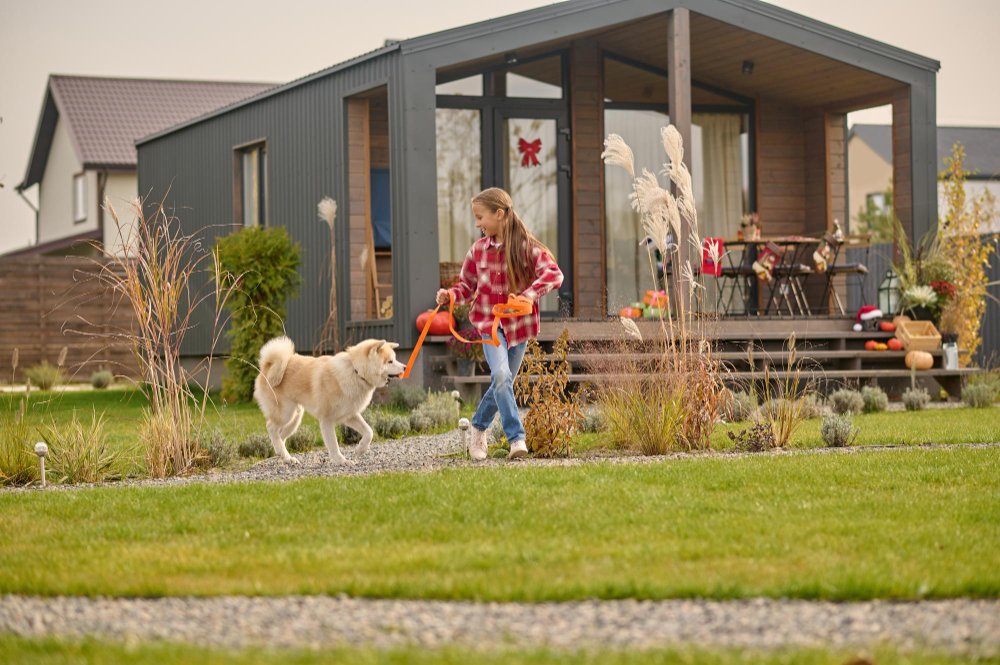
- Detached ADUs: Standalone backyard units, often designed as cottages, guest houses, or rental apartments.
- Attached ADUs: Additions built onto the main home, sharing one or more walls but maintaining separate entrances.
- Garage or Basement Conversions: Transforming existing underused areas into fully functional living spaces.
- Above-Garage Units: Elevated additions that make efficient use of vertical space while preserving ground-level area.
Each type of ADU offers unique benefits, depending on property layout, budget, and homeowner goals.
Why Homeowners Are Building ADUs
ADUs are incredibly versatile. Some homeowners use them to house family members or aging parents, promoting multigenerational living while maintaining privacy. Others create guest accommodations or short-term rentals to generate passive income. Remote workers and creatives are also embracing ADUs as home offices or studios that offer quiet separation from the main residence.
Whatever the purpose, ADUs adapt seamlessly to changing needs and lifestyles.
Design Principles That Make ADUs Work
Effective ADU design focuses on efficiency, comfort, and aesthetics. Smart layouts maximize storage and usability, while large windows and open plans create a sense of spaciousness. Sustainable materials and energy-efficient systems enhance comfort while reducing environmental impact. Designers also prioritize natural light and privacy to make compact living both functional and inspiring.
When designed well, even a small ADU can feel like a luxurious retreat.
Building Regulations and Permitting
California’s evolving housing laws have made ADU construction more accessible than ever. In Sacramento, local ordinances support flexible design options while maintaining community harmony. Permitting is faster, setbacks are reduced, and parking requirements are eased. Partnering with experienced remodelers ensures compliance with these regulations while optimizing your property layout for space and efficiency.
Understanding the process early helps homeowners avoid delays and maximize potential.
The Financial Benefits of ADUs
From a financial perspective, ADUs offer tremendous value. They can significantly increase property resale potential and generate consistent rental income. In Sacramento’s competitive housing market, many homeowners find ADUs provide one of the best returns on investment in residential construction. Their affordability compared to new home builds makes them an appealing option for both first-time investors and seasoned property owners.
In short: ADUs pay dividends in comfort, flexibility, and financial growth.
Environmental Impact and Sustainability
ADUs are not only smart financially—they’re also environmentally responsible. Smaller living spaces consume fewer resources and promote efficient energy use. Many ADU designs incorporate solar panels, water-efficient fixtures, and sustainable building materials. By making use of existing land, they also reduce urban sprawl and preserve green spaces within growing cities.
It’s sustainable living on a personal scale—practical, elegant, and future-focused.
Customization and Design Flexibility
One of the greatest advantages of ADUs is the freedom to customize. Homeowners can tailor designs to fit architectural styles, color palettes, and landscape settings. Whether minimalist and modern or traditional and cozy, ADUs can mirror the main home or stand out as distinct architectural statements. This creative flexibility allows each ADU to become a personal expression of design and purpose.
With professional guidance, small-scale design becomes a big opportunity for creativity.
Common Myths About ADUs
- Myth 1: “ADUs are only for large properties.” – False. Many Sacramento lots qualify for ADUs under revised zoning laws.
- Myth 2: “They’re too expensive to build.” – Costs vary, but financing programs and modular construction have made ADUs more attainable than ever.
- Myth 3: “ADUs reduce privacy.” – Thoughtful placement and landscaping maintain privacy for both main and secondary dwellings.
Education dispels hesitation—making ADUs accessible to a wider audience of homeowners.
Visiting Local Experts and Showrooms
Homeowners interested in building an ADU can explore layouts, materials, and finishes by visiting a Sacramento home improvement showroom. Professional remodelers help navigate design options, permitting, and budget planning, turning ideas into real spaces. Seeing examples firsthand helps clarify vision and build confidence in the process.
Expert insight ensures your ADU is not just functional—but beautifully tailored to your property and lifestyle.
The Future of Housing Innovation
Ultimately, understanding what does ADU stand for in housing is about more than terminology—it’s about embracing a smarter, more adaptable way to live. As cities evolve and families seek flexibility, ADUs represent the next generation of sustainable, multi-functional housing. They allow homeowners to design spaces that grow with them—balancing independence, community, and creativity.
In Sacramento and beyond, ADUs are redefining what “home” truly means: efficient, elegant, and endlessly adaptable.